
What is the best coffee bean roast for cold brew coffee? Dark, light or medium?
Selecting the right roast for a specific brewing method will significantly enhance your overall coffee experience. This is because different levels of roast bring different characters out of the coffee bean and produce distinct flavour profiles.
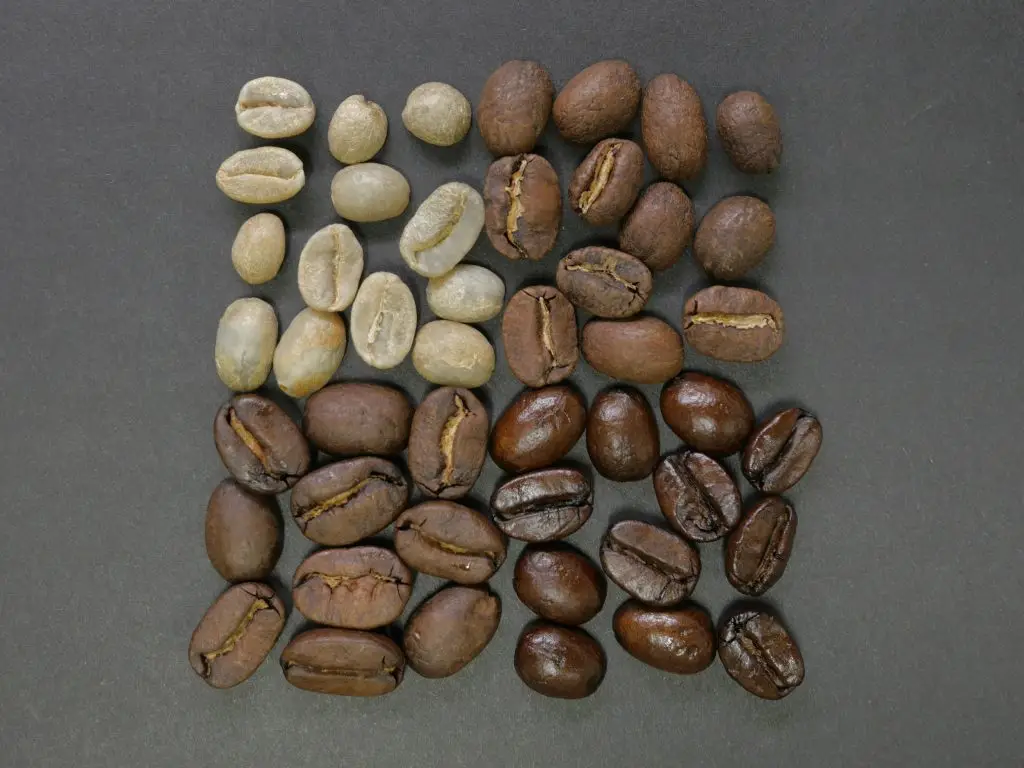
All coffee beans start out as green – by name and by colour! The roasting process transforms these beans from bland little potential coffee shrubs into the beautiful, complex, flavourful and aromatic drink we have come to know and love.
The roasting process applies heat to the bean to “toast” or “caramelise” it. The beans are rotated over heat at around 240 degrees Celsius (464 degrees Fahrenheit for Americans, who insist on having a different unit of measurement to, well, everyone) for around 12-15 minutes depending on the level of desired roast.

The roasting bowl is typically a metal sphere rotated above a heat source. In some modern roasters the beans are toasted through the application of hot air blowing on the beans. Some boutique roasters are even using direct wood fires to roast their beans, possibly adding a layer of flavour and complexity, but certainly adding a layer of hipness and gimmick (staff must make sure their man-bun is tied back to avoid catching fire).
The roasting process involves three stages: drying, browning, and development. During the drying phase, the beans lose moisture and undergo a series of physical changes. As the temperature rises, the beans begin to turn brown due to Maillard reactions, which are responsible for the development of rich, caramelised flavours. In the final development stage, the beans undergo further chemical reactions, building to the aromatic compounds that contribute to the final flavour profile.
The impact of different roast levels
The degree of roast plays a crucial role in determining the flavour profile of the coffee. As you would expect, light roasts are roasted for a shorter duration at lower temperatures, resulting in beans that retain more of their natural acidity and complex flavours. Coffee made from lighter-roasted beans typically exhibit bright acidity, floral and fruity notes, making them popular among aficionados seeking nuanced and vibrant flavours in addition to the more common caramel and toasty notes. Light roasts are preferred for cold brew coffee as the complex flavour notes seem to be enhanced by the longer brewing time and absence of heat from the application of hot water. Having said that, some people prefer darker roasts for cold brew as they prefer the chocolate and nutty notes.
Medium roasts strike a balance between acidity and body, offering a more rounded flavour profile with notes of chocolate, nuttiness, and a moderate level of acidity. These coffees are versatile and appeal to a wide range of palates, making them a popular choice for everyday consumption.
On the other end of the spectrum, dark roasts are roasted for a longer duration at higher temperatures, resulting in beans that are rich, bold, and full-bodied. Dark roasts boast intense flavours of dark chocolate, caramel, and toasted nuts, with a subdued acidity. While some may find dark roasts too robust, others appreciate their depth and complexity, particularly when brewed as espresso. Medium to dark roasts are ideal for cold brew due to their bold flavours and low acidity. These roasts extract well over the long cold brew steeping periods, resulting in a smooth, mellow brew with chocolatey, nutty, and caramel notes. The lack of acidity in darker roasts ensures a well-balanced and refreshing cold brew that is best enjoyed (IMHO)strong with milk and sweeteners.
Beyond the roast, factors such as bean origin, processing method, and brewing technique also influence the final flavour of the coffee. Experimenting with all of these inputs, as well as with different roasts, will help you find your own “sweet spot” and preferred flavour profile, and have a lot of enjoyment along the journey!
Like what you read? Buy me a coffee!


